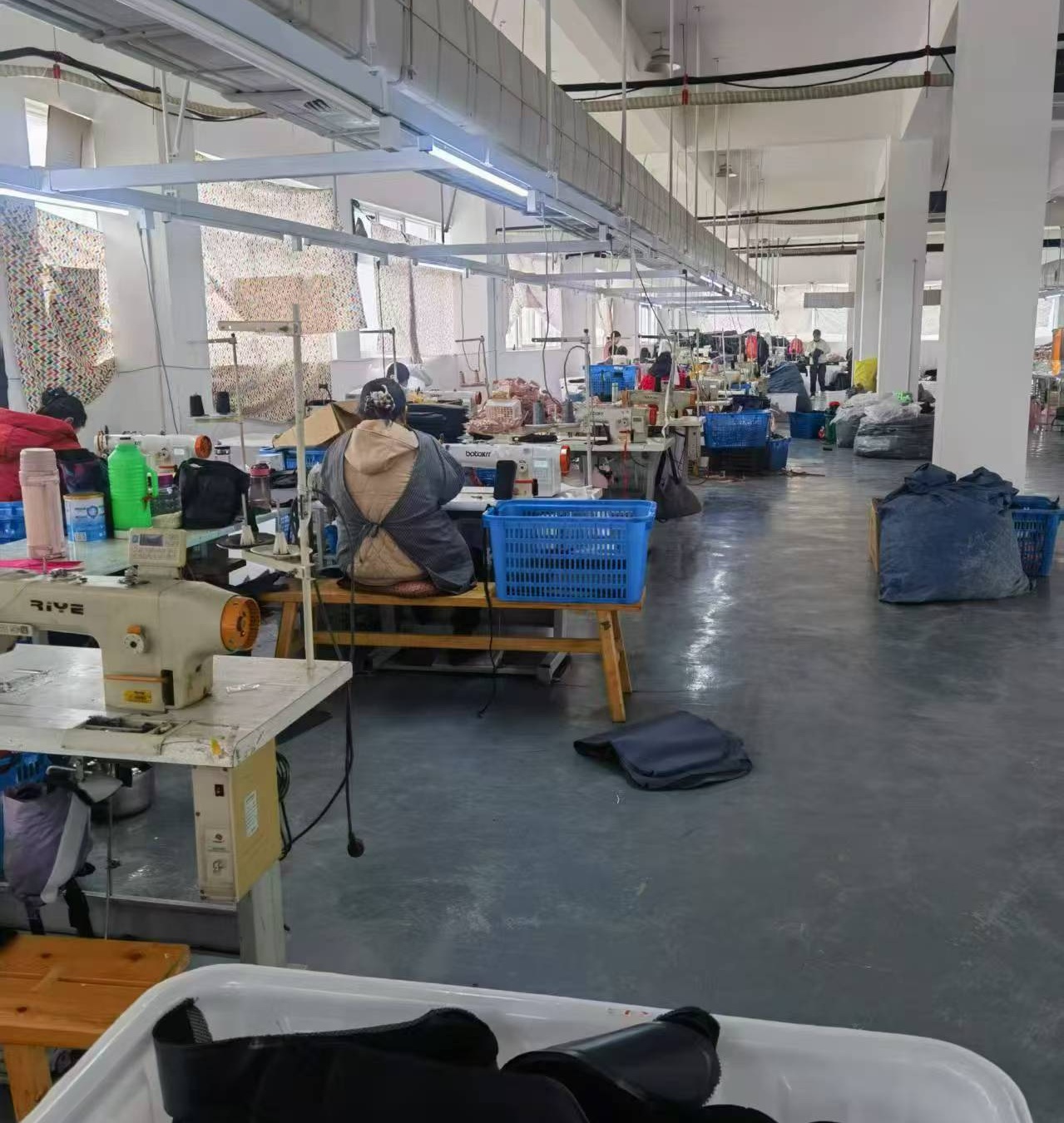
Start from the design work your project already has.
OEM usually starts with a buyer's design, tech pack, reference sample or defined requirements. ODM usually starts with an existing product direction or concept that needs more development with the manufacturer. The labels can vary between suppliers, so confirm the exact scope, approvals and ownership in writing.
This guide explains the practical difference for custom bags. It does not assume a fixed minimum order, price or production schedule: those depend on the selected style, materials, customization and order details.
COMPARE THE ROUTES
OEM and ODM at a glance
Both routes can include material and color selection, branding and packaging. The main difference is how much product definition exists before development begins.
Project question
OEM starting point
ODM starting point
Design input
Buyer supplies a design, drawing, tech pack, sample or requirements to follow.
Buyer supplies a concept, target use, market need or reference; the manufacturer helps define the product direction.
Development focus
Review manufacturability and confirm how the specified design can be sampled and produced.
Develop or adapt a suitable product structure, then confirm the changes and specification.
Buyer decisions
Confirm dimensions, construction, materials, components, artwork and acceptable tolerances.
Set intended use, target customer, must-have functions, design direction and branding priorities.
Customization
Follow the approved design; discuss requested changes and their effect on the sample and quotation.
Discuss feasible changes to a catalog reference or developed concept, including material, color, logo and packaging.
Approval record
Approve a physical sample and written specifications before bulk details are finalized.
Approve the developed sample and written specifications before bulk details are finalized.
CHOOSE A STARTING POINT
Which route should you ask about?
YOUR DESIGN IS DEFINED
Ask about OEM when…
You have a tech pack, drawings, an approved sample or clear construction requirements.
Specific dimensions, compartments, materials or branding details need to be followed.
You want the manufacturer to review feasibility and quote against an agreed specification.
YOU ARE DEVELOPING THE PRODUCT
Ask about ODM when…
You have a use case or product idea, but need help shaping the construction.
You want to start from a catalog style and evaluate changes for your market.
You need to discuss the development work before a complete specification exists.
Some projects combine both: a buyer may bring a reference design while asking the supplier to develop selected dimensions, compartments or components. Describe the work needed instead of relying on the label alone.
FROM BRIEF TO APPROVAL
A practical sequence for either route
01 / SHARE
Send a sketch, reference photo, tech pack or product idea with the intended use.
02 / DEFINE
Clarify construction, size, materials, color, branding, quantity and destination.
03 / REVIEW
Discuss feasibility, open questions, quotation scope and the sample plan.
04 / APPROVE
Check the sample and written specification before confirming production and packing.
SET THE PROJECT BOUNDARIES
Confirm design rights and approvals in writing
OEM or ODM labels alone do not settle who owns or may reuse a design. Before development starts, document the agreed rights for artwork, patterns, molds or tooling, custom hardware, and any limits on reuse. Also record who approves samples and changes, and which approved specification controls the bulk order.
For a clearer comparison between suppliers: ask each one to state the development scope, sample charges, any tooling or material minimums, revision assumptions, approval points and commercial terms for your specific project. Do not compare a general catalog quote with a fully custom development quote as if they covered the same work.
PREPARE YOUR RFQ
Send the details you already know
You do not need every answer before starting. A brief can mark unknown items as “to be confirmed.”
Bag type and intended use
Reference image, sketch, physical sample or tech pack
Target dimensions or capacity and any required compartments
Preferred material, lining, zipper, hardware and color
Logo artwork, branding method and packaging direction
Estimated quantity and color split, if known
Destination market and requested delivery window
Any testing, compliance or confidentiality requirements that apply to the project
What is the main difference between OEM and ODM bags?
OEM usually starts from buyer-defined design or specifications. ODM usually starts from a concept or existing product direction with more development from the manufacturer. Confirm the actual scope with each supplier.
Do I need a complete tech pack for an OEM bag inquiry?
A tech pack helps make requirements precise, but a drawing, reference sample or clear list of must-follow details can start a feasibility discussion. The manufacturer can identify what still needs to be specified.
Can I customize a catalog bag through an ODM project?
A catalog style can be a starting reference for discussing materials, dimensions, colors, branding and packaging. Confirm which changes are feasible for that model and approve them against a sample and written specification.
Is ODM always faster or less expensive than OEM?
No. Development work, materials, components, tooling, quantity and requested changes affect both cost and schedule. Ask for a project-specific quotation and timing after the scope is clear.
Who owns the bag design, pattern or tooling?
Do not rely on the OEM or ODM label to answer this. Agree ownership, permitted use and any reuse limits for drawings, patterns, molds, tooling, artwork and custom components in writing.
What should be approved before bulk production?
Confirm the physical sample and written specification, including dimensions, materials, construction, branding, packing and any agreed inspection points. Record approved changes before production begins.
Have a bag design or a starting idea?
Share the reference, project route you have in mind, estimated quantity and destination. Yunshengyuan can review the brief and confirm which details are needed for a project-specific quotation.